
The Ultimate New Dog Owner Guide: Essential Tips for First-Time Puppy Parents

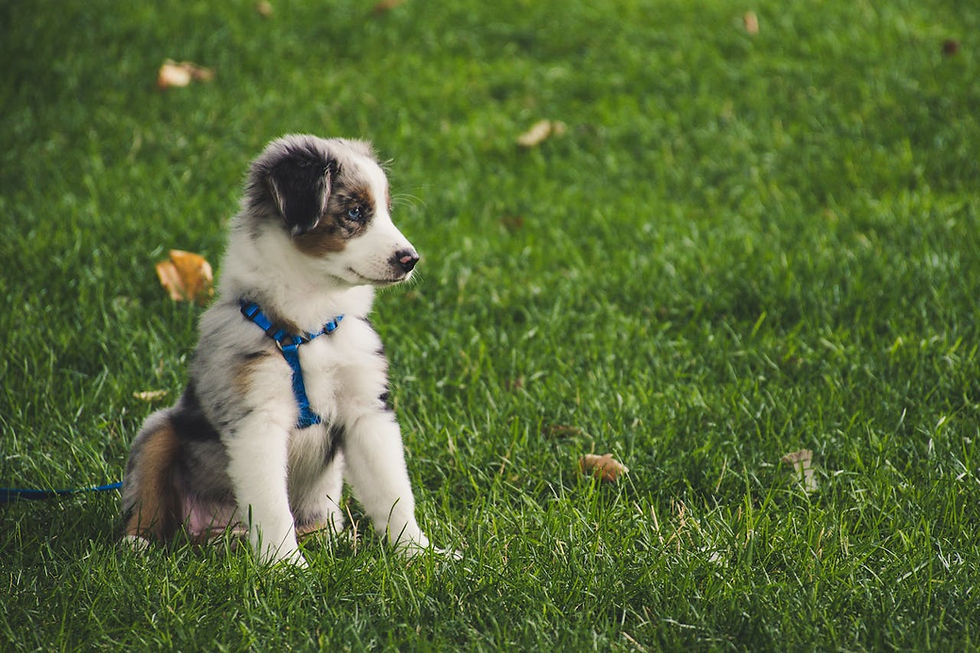
Bringing home a new puppy is one of the most exciting moments for any dog lover. On the other hand, if you’re a first time dog owner, it can be somewhat intimidating. This new dog owner guide covers everything you need to know about your new puppy.
This will include finding the essential supplies, tips on training and care, so you can feel prepared and confident to bring up your wonderful new little baby like the pro you want to be.
What to Buy Before Bringing Your Puppy Home
Before your new friend arrives home with you, a little preparation goes a long way. Every first time puppy owner should have a checklist of supplies. You will need a:
Comfy bed
Sturdy collar or harness with an ID tag
Lead for walks
Food and water bowls
Quality puppy food
Crate
Gentle grooming brush
Poop bags
Plenty of toys.
You can get all the supplies and more at Pets Indeed, the place for new dog owners to make their homes warm, welcoming and well prepared for their new fur baby.
Where your puppy will sleep and play
The next phase is deciding where they will sleep and play. Find a quiet spot well away from the noise of the household, but put the crate in a place that is cozy but not isolated. Puppies love to be with the family, and it will help them get accustomed to your life more easily.
Place in the crate a nice warm blanket and a play toy, perhaps one that smells of you, in order to create somewhere safe and snug for them to take naps.
Puppy-proof the home
Finally, do not forget to puppy-proof your home. Hide the electrical wiring, remove all potential choking hazards, and keep toxic plants and cleaning products completely out of reach.
Just like babies, puppies investigate their surroundings through their mouths, so it is better to prevent a disaster before it happens.
2. The First Week at Home: Routines, Sleep & Training

The first week at home with your new puppy is both heartwarming and chaotic. This is when your puppy will learn what life with you will be like so it is very important to establish a routine as quickly as possible.
Establishing feeding times, potty breaks, short walks, playtimes, naps, etc. will give your puppy more predictability in his/her days. Predictability makes puppies happier and helps them feel safe and trust you faster.
Even puppies need a lot of sleep—18 to 20 hours a day, in fact. Establish a calming bedtime routine, perhaps a gentle cuddle session or a short play time, and then lead them to bed. Dim the lights and don’t worry too much if they whine a bit—this is expected. The aim is to establish a feeling that bedtime is calm and regular, which will help to avoid separation anxiety later on.
Next comes early training. Beginning with house training, take the puppy outside after meals, naps, or play. Give praise every time the puppy goes where it is supposed to. Positive reinforcement works far better than scolding. You should also introduce the puppy to commands like "sit" or "stay," and help them get used to their crate by making it a fun place with treats and toys like the Remote Control Mouse from Pets Indeed.
3. Puppy Nutrition & Feeding Basics
Feeding your puppy well is the key to raising a healthy, happy friend, and it pays to get it right. Always start with a puppy food that's formulated for growth, is appropriate to the age, and is recommended by your veterinarian. The food should be well-balanced with fats, protein, vitamins, and calcium.
Puppies under about 3 months old should be fed about 3 to 4 meals a day. Puppies have lots of energy and small stomachs! Treats are useful, but should be used carefully. Follow the 90/10 rule. Treats should not compose over 10 % of daily caloric intake. For training, use small, healthy treats, and subtract that amount from the food intake.
Bonus: Common Mistakes to Avoid
Common feeding mistakes are overfeeding, mixing food types or brands in the same meal, and giving your puppy human foods, which can sometimes be toxic. Monitor growth once a week to make sure the puppy appears lean but not skinny or unhealthily thin. If you notice irregular growth or appetite, ask your veterinarian for help.
4. First Vet Visit & Vaccinations

To get started, schedule a visit within the first week of adoption. While your breeder or shelter may have started the puppy vaccinations, the veterinarian will want to do a general health check to make sure your little buddy is adjusting well.
The veterinarian will check the weight, teeth, eyes, ears and heart. A vaccination schedule will be discussed. The core vaccinations will usually include canine distemper, parvoviral infection, hepatitis or leptospirosis, and rabies. You may also cover deworming, flea and tick control and if it has not been done already, microchipping your new puppy for identification purposes.
This is a good time to ask questions, including which puppy food your veterinarian thinks is best, whether to spay or neuter, and when to come back for booster or subsequent shots or checkups. Feel free to take notes or ask for a printed vaccination plan, which will keep you more organised.
5. Grooming & Hygiene Tips
Your goal as a loving pet parent is to keep your fur baby healthy and beautiful, and the best way to achieve this goal is with proper grooming and hygiene. Here’s how:
Brushing
Brushing, especially with a gentle Pet Grooming Brush will keep your puppy’s coat soft, shiny and tangle-free. Long-haired breeds like Cockapoos might require a daily brushing while the short-hairs might brush out in a few sessions each week. It‘s also a great time to bond and catch any skin irritations early.
Bathing
Use a mild puppy-safe shampoo and lukewarm water. Introduce baths slowly, so that your little one will not be frightened. Too frequent baths can dry out the skin, so plan for them every few weeks or as soon as they have a messy adventure.
Nail Care, Teeth & Ears
Start this as early as possible so your pet becomes accustomed to it. Keep their nails trimmed regularly to avoid pain, brush with veterinary-approved toothpaste, check ears weekly for dirt or bad smell. These little extras will help solve bigger health issues later.
Products to Have
Try to stock up on basic grooming supplies such as brushes, nail clippers, pet wipes and dental chews, most of which you can find on Pets Indeed grooming supplies for dogs. Having the right equipment will make it easier and safer for you to groom your pup and much more enjoyable for both of you.
Conclusion
Becoming the best pet parent doesn’t happen overnight, and that’s okay. Each little victory, whether it’s your puppy’s first “sit” command or their first snooze, is always a step forward. In time, patience, and consistency, you will get into the groove of caring for a dog and enjoy the great relationship with your new best friend that follows.
The secret is love, care and routine! Check out the Pets Indeed store for everything you need for your furry companions, from gentle grooming tools to entertaining toys, all delivered to your doorstep with love.
FAQs
What should I do the first day I bring my puppy home?
Let your puppy explore one safe area of your home at a time. Show them their bed, feeding area, and potty spot to begin building early habits and comfort.
How long does it take to house-train a puppy?
Most puppies will learn the basics at 4-6 months of age if training is consistent. Share them a schedule, be generous with praise or a treat and have patience when they relapse every now and then.
What’s the best small dog for first-time owners?
Dog breeds such as the Cockapoo, Cavapoo, Bichon Frise and Pug are great for beginners. They are gentle, easy to train, and fit well into small homes with families.
How often should I feed my puppy?
Puppies less than 6 months usually require 3-4 smaller meals daily to help stimulate growth. After that, you can switch to two balanced meals per day for routine and digestion.
What’s the best way to stop my puppy from biting or chewing?
Each time it occurs just gently redirect their attention to a chew-toy. Praise them in a calm manner, be consistent and do not yell, positive reinforcement works better.


Comments