
How Often Should I Feed My Dog (Complete Guide for Every Age)


While feeding your dog may seem like a simple task, figuring out how often to feed them can prove a little difficult. Each fur baby has needs based on their age, size and level of activity. Getting the feeding times correct keeps the tummy happy and the tail wagging.
Fortunately, Pets Indeed will answer the question of “how often should I feed my dog” in this article. We also recommend the Pets Indeed Smart Pet Feeder, which automatically feeds your pet, helping you maintain a healthy and regular feeding schedule even when away.
Why a Feeding Schedule Matters
Regular feeding schedules help regulate digestion, giving your buddy energy throughout the day. This also makes potty breaks more predictable, which is especially helpful during training. When you know exactly how much dog food per day to serve and at what time, you also lessen the chances of bloating or extra weight gain.
On the other hand, irregular feeding can confuse your dog’s internal clock, which may lead to overeating, restlessness or even anxiety around food. A set routine helps your pet feel secure and relaxed, knowing when the next meal is coming.
Ultimately, once you know how much and how often to feed a dog, you will find how much happier and healthier they grow.
How Often Should I Feed My Dog by Age
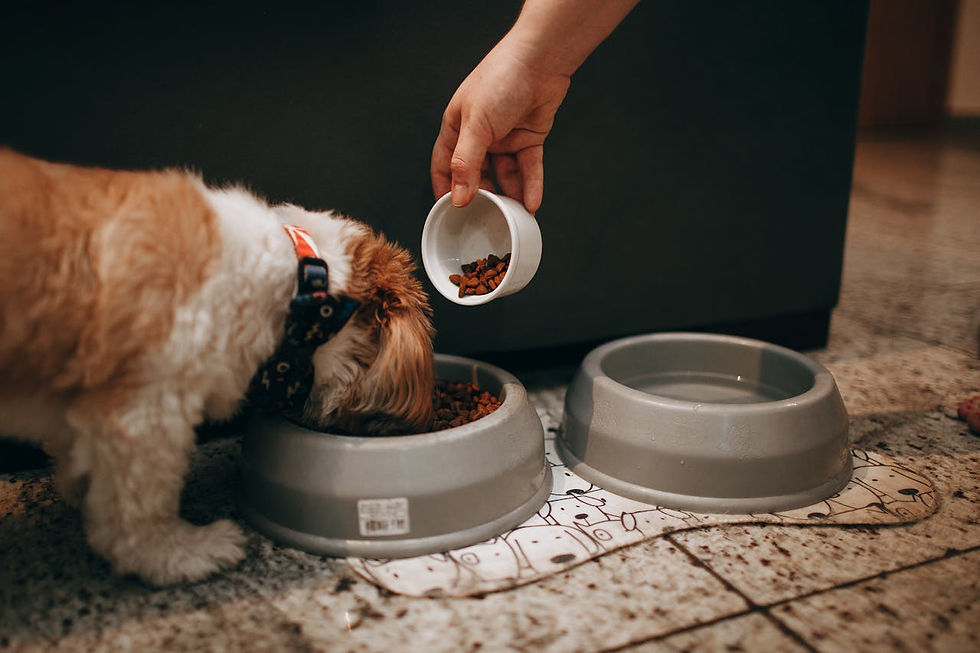
Without further ado, let’s explore how often you should your dog based on their age.
1. Puppies (Birth to 12 months)
Puppies grow quickly, and this means their little bodies burn through their energy reserves faster than adult dogs. With smaller stomachs and fast metabolic rates they need to be fed often in order to keep them healthy, energized, and happy.
Here is a simple guide to have in mind when feeding them:
0–8 weeks
At this early stage puppies should still receive milk from their mother. If it is not possible, the best substitute is a high grade puppy milk. Very young puppies eat about every two to three hours because they have small stomachs.
So, if you have ever wondered how often should you feed a puppy this young, the answer is very simple. Often and in small amounts. They cannot take large meals yet, therefore it is better to feed them small, regular portions, which they can comfortably digest.
8–12 weeks
At around two months old, your puppy can transition to solid food. Start with soft puppy kibble, which is going to be gentler on their tummy. Once you get to this point, the next question on your mind is “how often should I feed my puppy?”, and the answer is four times a day.
If your schedule makes regular feeding difficult, you can use the Pets Indeed Smart Pet Feeder to automatically dispense your dog’s food once it's feeding time. But remember that how many times a day should a puppy eat or how often puppies should eat will depend on size and breed, but four times per day is perfect for most.
3–6 months
By now, your puppy's digestive system is beginning to mature, and you can now freely reduce the number of feedings from four to three times daily. Many pet owners ask how many times to feed a puppy at this stage, and the secret is balance.
Offer consistent portions at the same hour each day. When deciding how much food do you feed a puppy, follow the serving suggestions on the puppy food package and adjust to suit the vet's recommendations if necessary.
6–12 months
As your puppy grows and takes on more of an “adult dog” appearance, you can transition from three meals to two. Two daily feedings work for most breeds. However, the question of how much and how often to feed a puppy now comes down to the breed, size, and energy level, since larger breeds will generally require more food, and smaller breeds would require smaller and more calorie-rich meals..
Adult Dogs (1–7 years)
As previously mentioned, once your dog reaches a year old, you can casually switch their meals to just two a day. Doing this keeps their energy consistent all day while avoiding a hunger spike. However, the feeding schedule will depend entirely on the breed, as mentioned earlier.
Nevertheless, you should also consider portion control for your dog to prevent weight gain and digestive problems. Still, make sure to follow the guidelines on your dog’s food packaging and adjust according to breed, metabolism, exercise, or vet recommendations.
Senior Dogs (7+ years)
As dogs age, they slow down metabolically, and they may have dental or digestive sensitivities. Older dogs frequently do better on frequent small feedings instead of two large ones.
Soft or moist food may be easier for them to eat and help keep them hydrated. At this stage, it is very important to be regular with feeding times to help provide comfort and normal digestion.
Simplify Feeding With An Automatic Pet Feeder

Pet feeding time does not need to be stressful thanks to Pets Indeed’s Smart Feeder, which feeds your pet automatically, giving them well-timed meals daily.
It features adjustable feeding schedules, slow feeding options and accurate portion control to combat overeating. Whether your busy schedule finds you at work or gone for the weekend, the feeder will keep your pet’s routine unchanged and their belly happy.
Making mealtime easy, healthy and relaxing for you and your beloved pet.
Bonus: Common Feeding Mistakes to Avoid
Even pet parents that are most dedicated to their four-legged friends can make slight feeding mistakes and not be aware of them. These habits can affect the energy and health of your dog, so be aware.
Common mistakes to avoid include
Overfeeding your dog
Being inconsistent with meals.
Treating too much or feeding at the table.
Not adjusting the amount for a growing or more inactive dog with food.
It is all a matter of balance. Keep a regular routine, dish out your friend's meals, and rarely give any extra snacks except when necessary. Even the slightest changes will be helpful in keeping your fur baby healthy and happy.
Conclusion

Balance, patience, and love are essential components of finding the right feeding schedule for your dog. Since all dogs are unique, it may take a bit of trial and error to discover the best regimen for your buddy.
With Pets Indeed's Smart Pet Feeder, you can guarantee consistent mealtimes as well as a hassle-free feeding experience even during the busiest days. These regular, measured meals are good not only for digestion and energy but also for building the bond you have with your canine friend.
Visit Pets Indeed and get an Automatic Dog Feeder today!
FAQs
How often should I feed my dog if I work long hours?
Feeding your dog twice a day will work if you are away a lot, but it must follow a set schedule. It is also possible to use the Smart Pet Feeder from Pets Indeed to have the food automatically fed at the same time, keeping both your dog’s routine stress-free and your mind at ease.
Can I free-feed my puppy?
Free feeding is not recommended for puppies because it leads to overeating and digestive distress. Scheduled meals control the portion size and help establish good feeding habits, ensuring your pup receives the proper amount of food each day for growing puppies.
Should I feed my dog before or after walks?
To avoid discomfort or bloating, most veterinarians recommend taking a break and waiting at least an hour after feeding before walking the dog. Likewise, the dog should rest for about half an hour after exercising before eating. This promotes easy and normal digestion.
What happens if my dog skips a meal?
Probably nothing to worry about if he misses an occasional meal and still acts lively and alert. However, if several meals are missed or he seems slow, it would probably be best to see your veterinarian to be sure it is not an upset stomach or some other trouble.
Is wet food or dry food better for my puppy?
Both have advantages. Wet food provides moisture and is easier to chew, while dry food is good for dental health. Many owners combine both to give their puppy a healthy, tasty diet and keep him healthy.


Comments